Sablin waterfalls — two 'living' waterfalls near St Petersburg
Site facts
| Rating |
|---|
Sablin waterfalls: where rivers leap from cliffs
I'll be honest: I didn't believe there were real waterfalls near St Petersburg. What kind of waterfall could there be on a plain? But the Sablin waterfalls are not an attraction or an 'almost waterfall'. They are two living, breathing, moving objects that I walked to from the station, and they were worth every step.
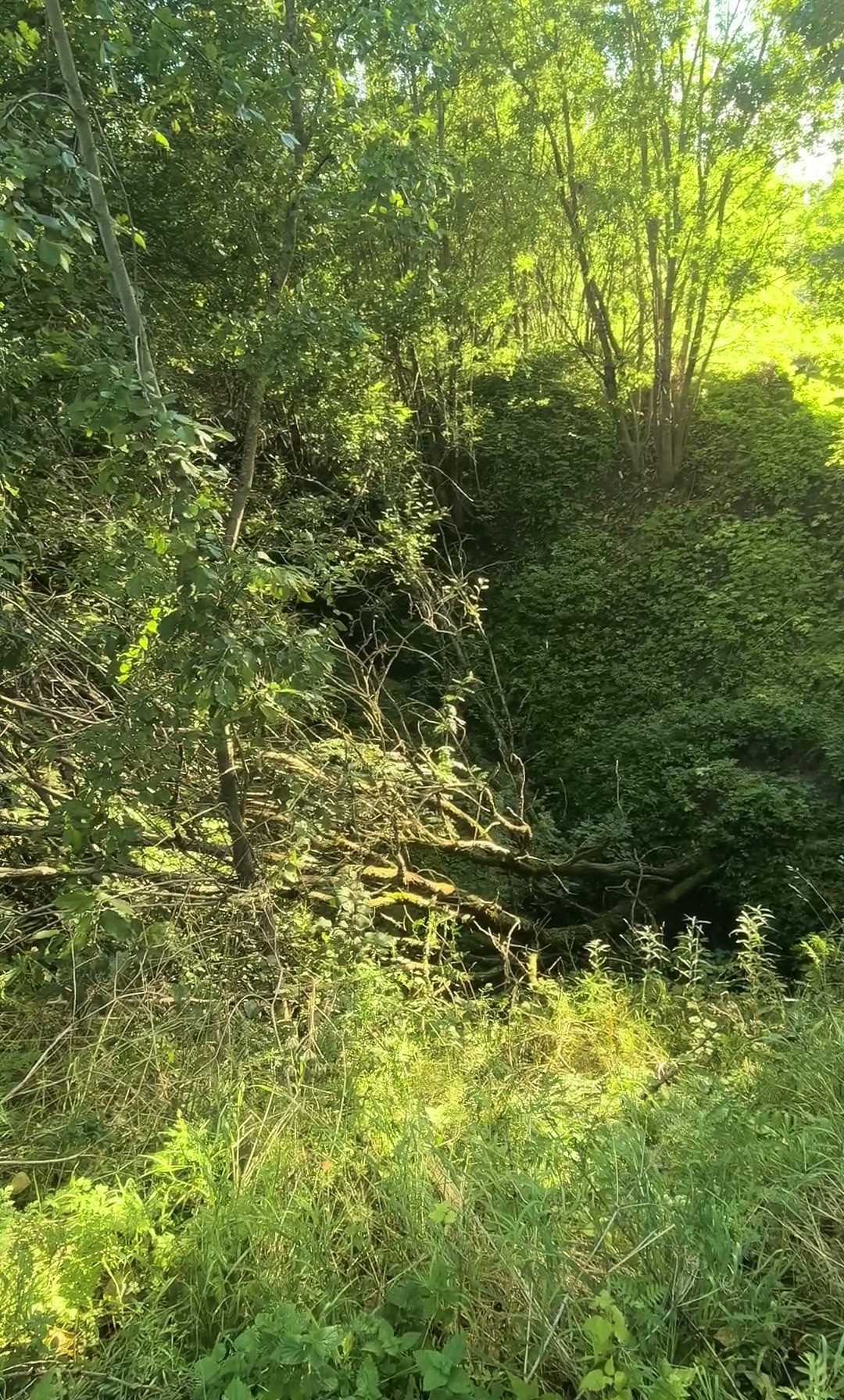
So, the main thing to know: in the complex nature monument 'Sablinsky' there are two — Sablinsky (on the Sablinka River) and Tosnensky (on the Tosna River). They are in Leningrad Region, half an hour from the metropolis, and entry here is absolutely free. No turnstiles, ticket offices or security — just you, the forest, the canyons and the sound of falling water. I walked the Sablinskaya trail along the river and I'm ready to tell you what it's really like.
Sablin waterfall: numbers that dance
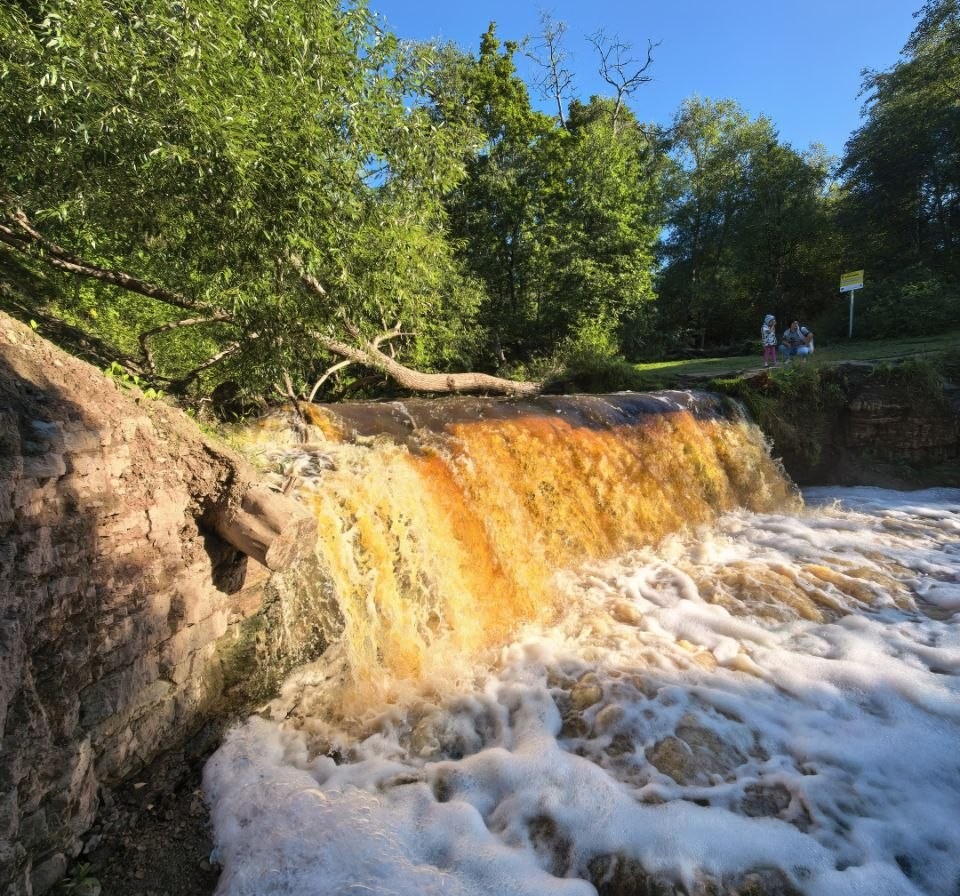
The first one I met was the Sablin waterfall. It hides in a picturesque canyon on the Sablinka River. Coordinates for a navigator: N59.661072 E30.785006. But the most interesting thing is its height. If you start looking up data in literature, you will find figures of 4.5 metres, 4, 3, 2.5 and even 2 metres. And all of them will be true. Just for different years.
In 2000, for example, the height was 2.3 metres. Why such a difference? It's all about the 'plunge pool'. Water falls from a limestone ledge and hits down into soft sandstone, carving a deep erosion cauldron in it. This cauldron works as a natural dam. In high water, when the river carries a lot of water, the dam is washed away, the level of the lower point drops, and the waterfall becomes higher. In dry years with little water, the cauldron fills with sand and pebbles, the bottom rises — and the waterfall 'slims down' to two metres. So, arriving here, you may see a completely 'different' waterfall than the one described in last year's guidebook. This is not a breakdown — it is the life of the river.
Tosna waterfall: same age as Niagara
The second waterfall is the Tosna waterfall. It is located downstream, in the settlement of Ulyanovka (Tosnensky District), at 4 Aksakova Street. Coordinates: N59.64445 E30.80867. This one is a real giant in width: up to 30 metres. The height is more modest — about 2 metres, but it is incredibly photogenic due to its wide, even falling front.
And now the main fact that gives me goosebumps: the Tosna waterfall is the same age as Niagara. It is about 11 thousand years old. It formed when, after the retreat of the Yoldia Sea (ancient Baltic lake), these ledges were exposed. Imagine: while Niagara was thundering somewhere in America, here, near St Petersburg, water was falling in exactly the same way. This is not just a landmark — it is a geological monument of planetary scale.
Why waterfalls 'move': headward erosion
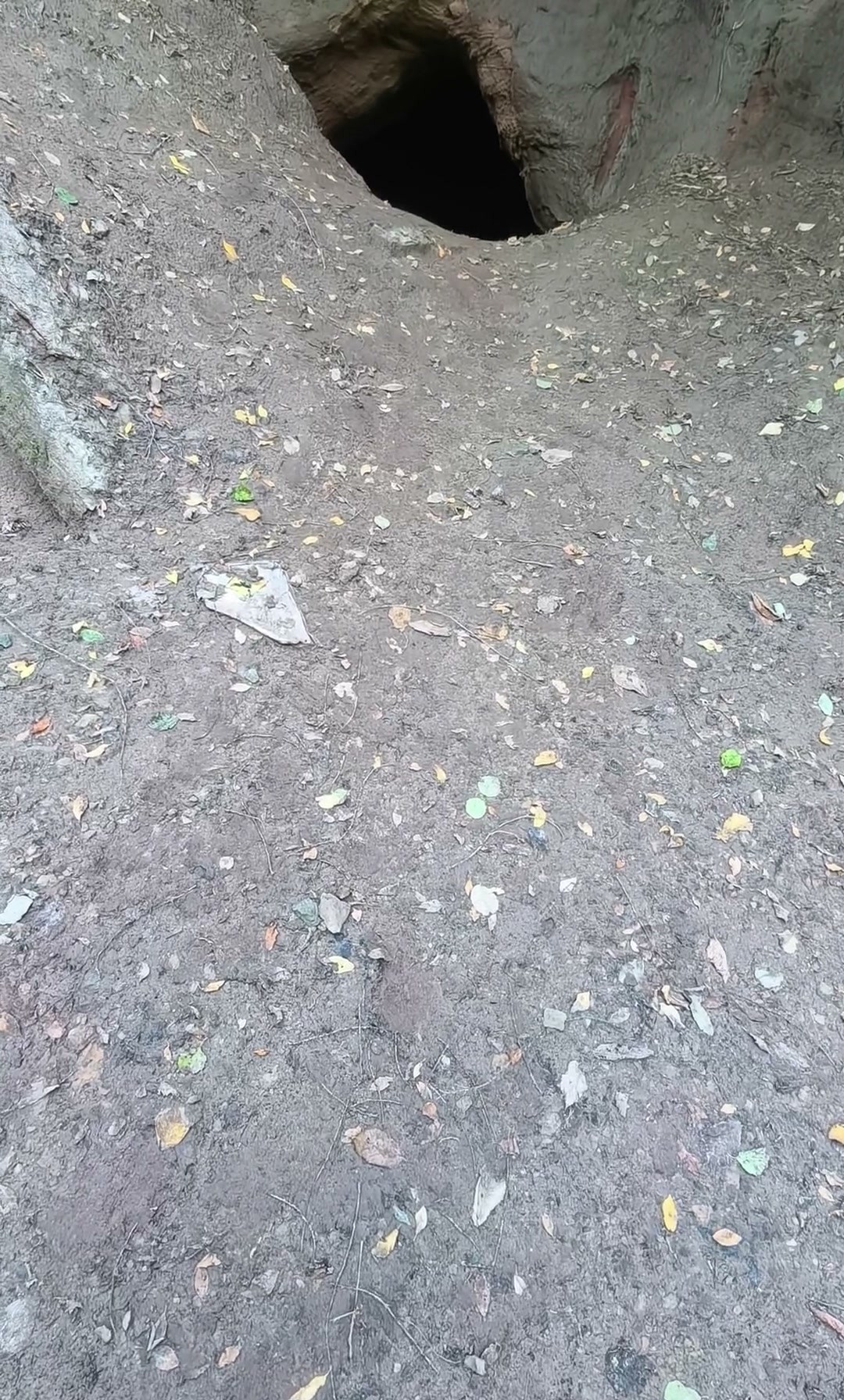
The most surprising thing I learned in Sablino is that waterfalls do not stand still. They move. This is called 'headward erosion'. The process looks like this: water falls from a solid limestone ledge and breaks the soft sandstone beneath it. The ledge overhangs, loses support, breaks off — and the waterfall 'retreats' a metre or two upstream.
The numbers here are striking. The Sablin waterfall advances upstream at a rate of 20 to 60 centimetres per year (differing from year to year). It sounds slow, but let's do the math. Niagara Falls, 51 metres high, has moved 11 kilometres in 10 thousand years. Our 'little ones' move at the same rate, they just have less height. This is not a frozen picture but a perpetual motion machine of nature that continues its work right now while you stand on the viewing platform.
How to get there: walking the Sablinskaya trail
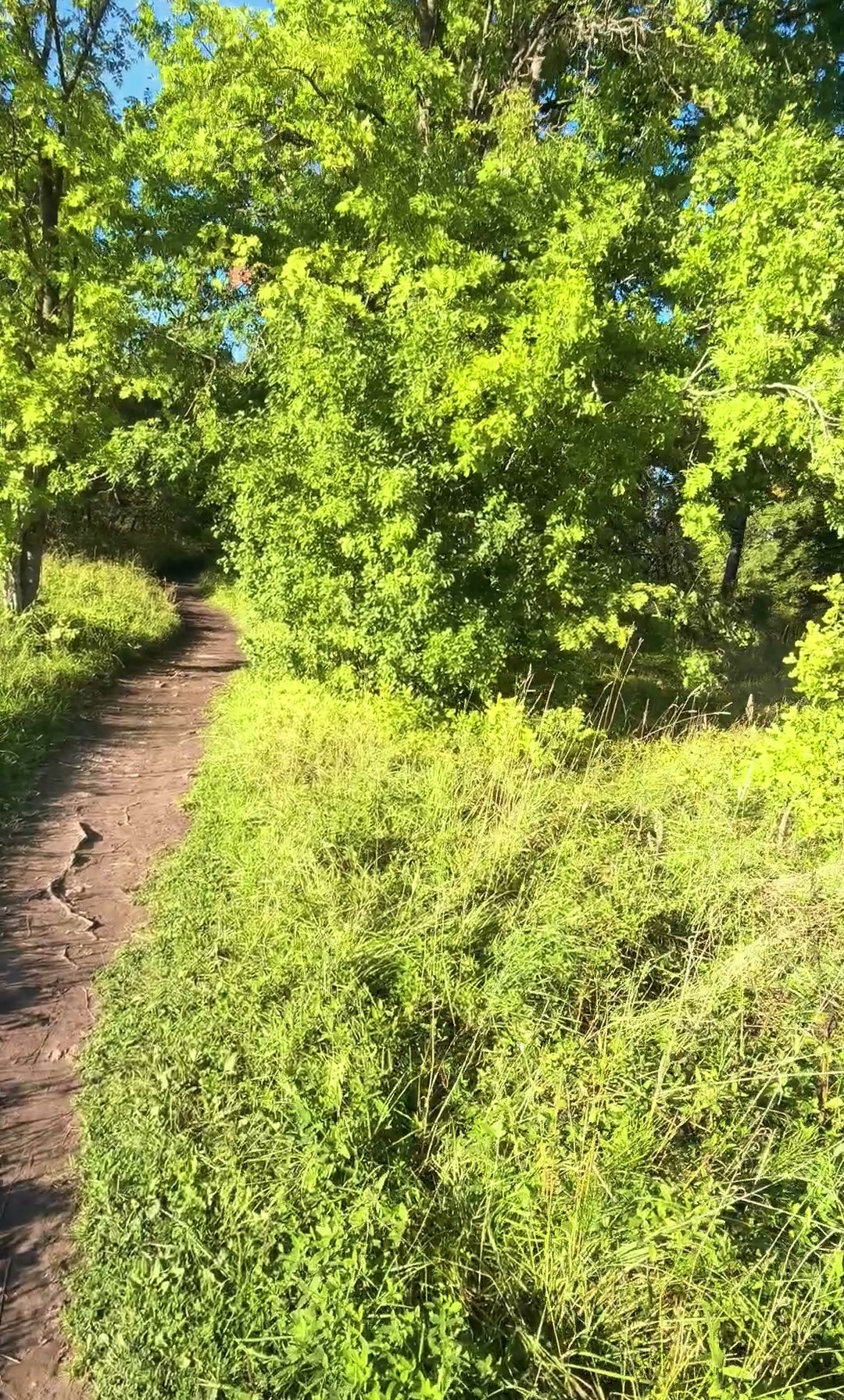
I got there by suburban train from Moskovsky railway station to Sablino station. From the platform you need to walk along the trail beside the Sablinka River — the way is picturesque, about half an hour on foot. The trail is well trodden, it's hard to get lost. First you come out to the Sablin waterfall, then, if you continue along the trail, to the Tosna waterfall.
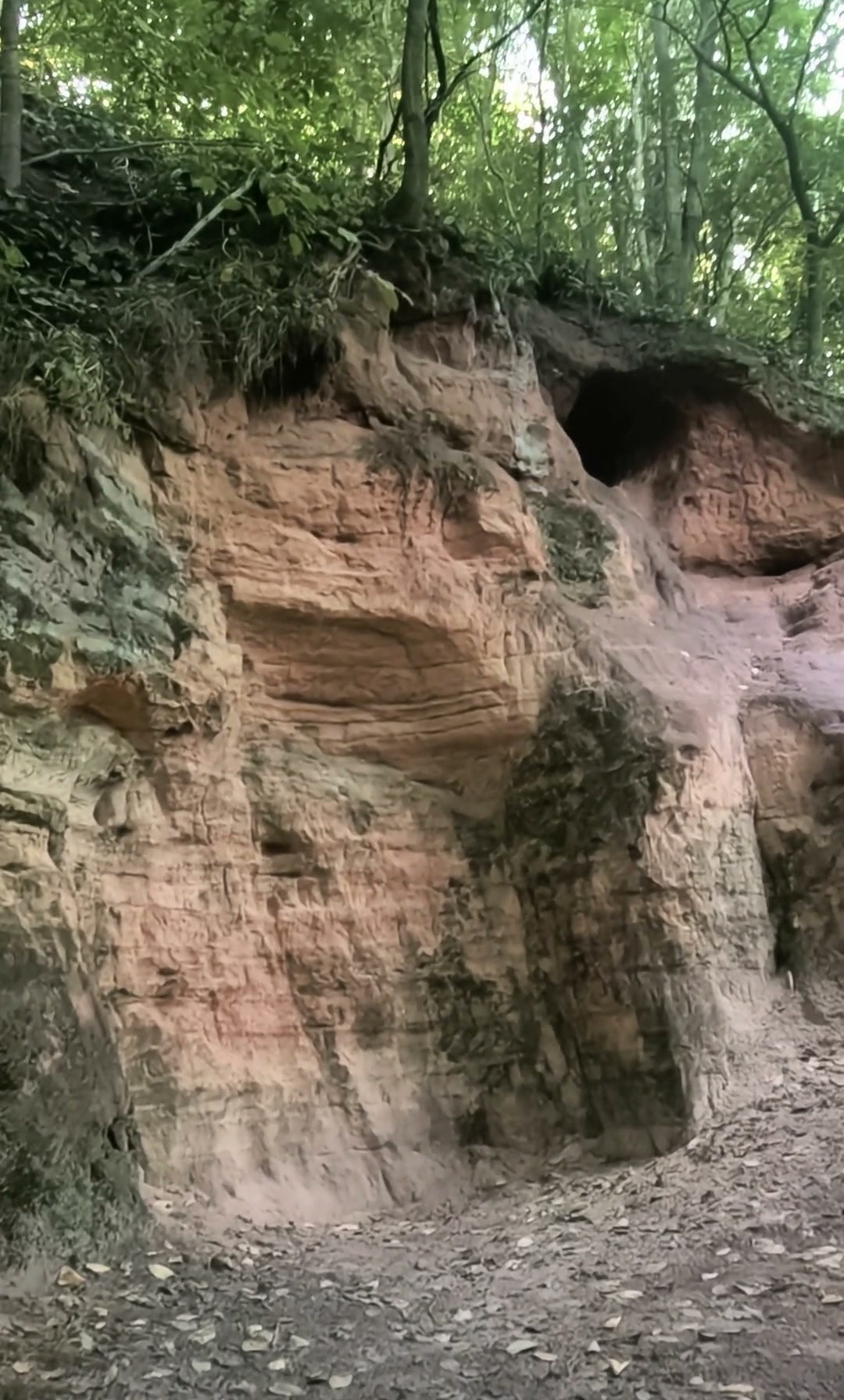
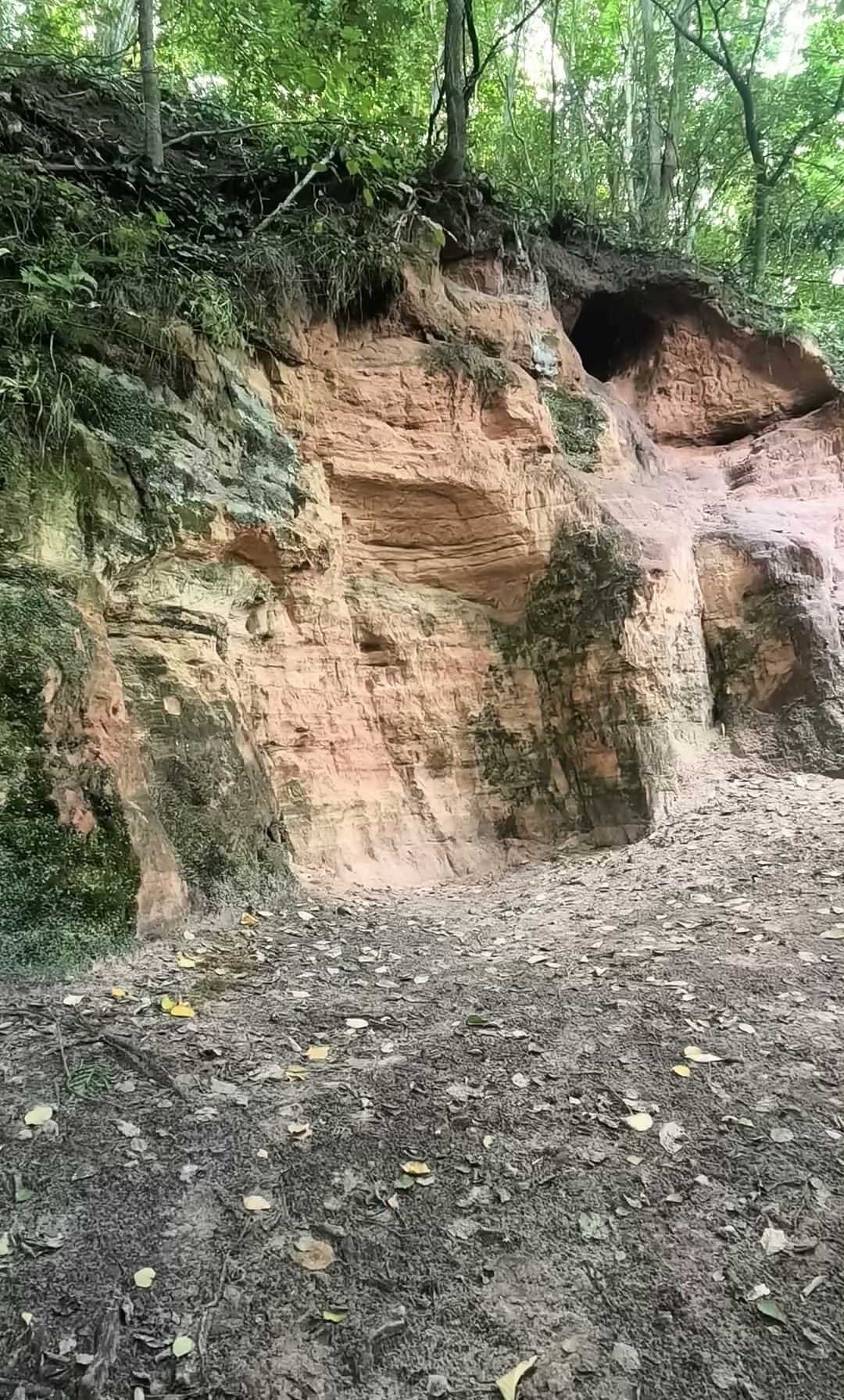
Near the waterfalls are the famous Sablino caves. But note: entry is only by prior booking with a guided tour, and it is paid. The waterfalls and canyons themselves are free and open for independent visits. No fences or guards — just nature.
FAQ: briefly about the main things
Is admission free?
Yes, the waterfalls and canyons are open for free public access. You only need to pay for a tour of the caves (by booking).
When is the best time to go?
Best in high water (April-May) or after heavy rains. Then the waterfalls are at their fullest and most impressive. In August, during drought, they can become very shallow.
Do the waterfalls freeze in winter?
Yes, in winter they freeze, turning into ice walls. It is very beautiful, but be careful — slippery. Ice blocks and icings create a surreal landscape.
Can you go with children?
Yes, but keep an eye on them near the cliffs. The trails are dirt, with steep descents to the water in places. For older children it will be a real adventure — exploring the canyons.
How much time to allow for sightseeing?
If you go only to the waterfalls, allow 2-3 hours including the journey from the station. If you also want the caves, then half a day. It is better to come in the morning to avoid the crowds and see everything calmly.
Source of facts: official website sablino.net (Leningrad Regional Public Organisation 'Preservation of Nature and Cultural Heritage'), tel. +7 (952) 270-48-03.
📸 Photos of Sablino — the whole route
119 shots from the entire route: caves, canyons, trail, waterfall, suburban train. Taken on location.